 Have you just started a low-carb or Keto diet – and feeling utterly exhausted all the time? Tiredness is a common low-carb diet side effect, especially for first-timers. That’s because moving from carbs to fat as your main fuel source is a huge change.
Your metabolism needs time to adjust. Until it does, you might feel tired, and experience low-carb flu symptoms. The duration of this adaptation period varies for each individual – it can last from several days to a couple of weeks. Sometimes fatigue can strike at later stages too.
Here are some tips on how to fight tiredness and improve your energy levels while sticking to your diet.
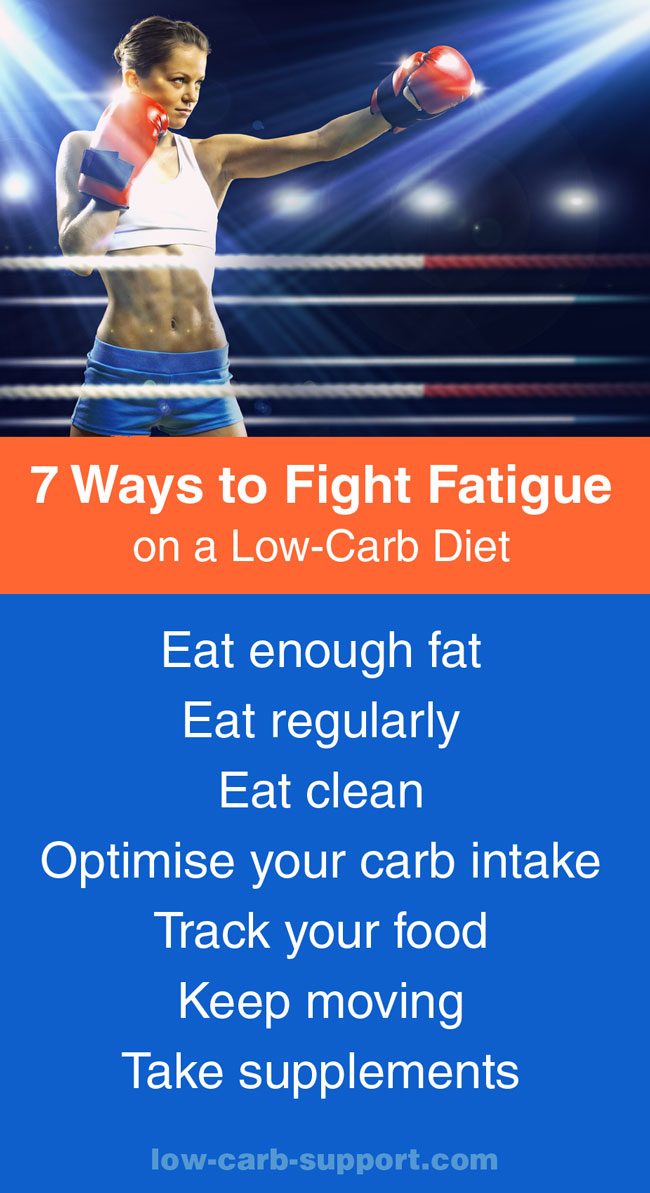
1. Eat enough fat
Once you cut your carbs, dietary fat becomes your main source of energy. If you cut the carbs and don’t add enough fat to make up for it, then fatigue is inevitable. So make sure you are getting the right amount of fat.
On any low-carb high-fat (LCHF) diet, fat should provide most of your calories – about 60%-80% from total (if you are not on Keto, check the fat intake guidelines of your chosen low-carb plan).
For beginners, this can be quite hard. Our perception of fat has been destroyed by years of negative propaganda in the media.
You need to make a conscious effort to include extra fat to your diet. Otherwise, you could fall behind. Not enough fat means less fuel for your body, and less energy.
Here’s how to crank up the amount of fat in your diet:
- Eat fatty meats (for example, sirloin or rib-eye steak, pork belly, lamb neck, bacon, sausages), poultry with skin, fatty fish like salmon and mackerel
- Jazz up your cooked vegetables and salads with plenty of butter and high-quality vegetable oils (coconut oil, avocado oil, flax oil, cold-pressed olive oil)
- Use full-fat cream (or maybe even butter!) in your tea and coffee
- Choose snacks with some fat in them, for example, cheese, macadamia nuts, brazil nuts, avocados
- Use high-fat sauces (e.g Bearnaise) and condiments (e.g. mayonnaise) – preferably home-made
More tips on how to eat more fat
2. Eat regularly
A low-carb diet is satiating, so you won’t get hungry as much. Great news! Especially if other types of diets used to leave you ravenous.
But if your calories intake drops too low, you are likely to feel tired. This is especially true at the beginning of your diet, as your metabolism is not yet fully adapted to processing fat for energy.
So if you are feeling fatigued, don’t skip meals. Have three meals a day, with a decent amount of fat and protein.
Some dieters combine low-carb with intermittent fasting. This can work really well – but only after you are fully keto-adapted, which can take 1-2 months. So if you have just started your diet, it’s better to play it safe and eat regularly.
Dr Atkins recommended a maximum of 6 waking hours between meals on the initial low-carb high-fat phase of Atkins. This is a good rule to bear in mind for all LCHF dieters.
3. Eat clean
Natural, nutritious whole foods are recommended for all types of diets. They are also key to making your low-carb diet a success.
Don’t waste your carb allowance on sweeteners or chemical-filled sugar-free Frankenstein foods.
Not only they are laden with empty calories, they might make you crave real sugar and mess with your digestion. They can also have a negative impact on your energy levels.
Instead, use up your carbs on natural, vitamin-dense foods, like green leafy vegetables, bell peppers, broccoli, grass-fed red meat, oily fish.
See the list of best low-carb high-vitamin foods and how to cook them all.
4. Find the right carbs level for you
To force your body into burning fat for fuel, you need to cut your carbs significantly.
On ketogenic diets, your carbs intake would be as low as 20-30g a day. Non-ketogenic plans are more liberal. But you still need to decrease your carbs substantially compared to what you normally consume.
Otherwise, your body will continue burning glucose. Your glucose levels will be low enough to make you feel tired and unwell, but not low enough to make the switch to fat-burning.
One way to surely derail your low-carb diet is to fall off the wagon every 2-3 days, have a high-carb meal, and then try to restart.
If this happens to you several times, then your chosen diet plan is not working for you.
You need to change your plan and go either higher, or lower, with your carb level. Either way can work well – as long as you can stick to it.
For example, if you keep failing because you find ketogenic diets too restrictive, try a more relaxed low-carb plan like Zone or South Beach.
If you are on a moderate low-carb plan, but not feeling great long-term, consider a ketogenic diet – if you can manage to get into ketosis, your weight loss will get much easier.
There is no one-size-fits-all solution when it comes to diet and nutrition. You need to find a plan that works for you individually.
See how to choose the right low-carb diet for you.
5. Track your food and check food macros
Getting the right amounts of “macros” – macronutrients: carbs, fat and protein – is crucial. If you don’t hit the right levels, your diet won’t be optimal and you may get side effects like tiredness.
Make sure that:
- your carbs intake is low enough, and coming from high-quality natural foods
- your fat intake is high enough
- your protein intake is sufficient, and you get some protein with every meal
Don’t ever “guesstimate” the amount of carbs. Check all labels, and look up the values of natural foods.
In the beginning, you should definitely keep a food diary. If you don’t calculate your food intake precisely, you will err on the wrong side. That’s just how our brains are wired.
Check your chosen low-carb diet plan for guidelines on exact levels of carbs, fat and protein, or use this online calculator to calculate macros.
6. Move and exercise gently
When you are tired, the last thing you would feel like is moving. But you still need to do it. If you give in to your tiredness and just lie on the sofa, your body will conserve energy. There will be no imperative to switch to fat-burning.
The trick is to do something below your standard level of activity, so that it’s easy.
If you already exercise regularly, try doing your normal workouts, but at about 50-70% below par. For example, go for a 15-minute run instead of 30 minutes, halve your weights for strength workouts, etc.
The purpose is to do something that would expend energy, without over-tiring you. Once your body adjusts to low-carb nutrition, you can go back to your normal exercise levels, and more.
What if you are not a regular exerciser? Just go for a walk. Doesn’t matter how slow, or how short. Just do it. Drag yourself off the sofa and go. (And then definitely do consider regular exercise once you get past your metabolic switch.)
7. Take supplements
Nutritional supplements can make a huge difference during your low-carb transition period.
Some nutrients are known to reduce tiredness and improve energy-yielding metabolism. It’s the easiest way to improve your energy and help your body adjust to a low-carb diet.
Try one or more of the following supplements for more energy.
Energy supplements for ketogenic diets like Keto or Atkins Induction
Exogenous ketones elevate your ketone levels, creating an instant energy boost. The most common format is BHB salts – providing electrolytes and exogenous ketones in a single product. (Please note that “Raspberry Ketones” are NOT the same, despite the name – they are a bit of a scam that does precisely nothing for your ketosis.)
MCT oil (available as liquid, capsules or powder) converts to ketones quickly and creates a rapid energy boost.
Energy supplements for all types of low-carb diets
Co-Enzyme Q10 and L-Carnitine assist in creating of ATP molecule and help to transform fat to energy.
Key minerals – potassium and magnesium replenish your electrolyte levels. Electrolyte deficiencies can lead to Keto flu, which in turn leads to more tiredness.
High-quality multivitamins with extra-strong vitamins B and C> bridge potential nutritional gaps and improve energy-yielding metabolism.
Green tea extract provides a gentle energy boost plus several other weight-loss benefits like reduced sugar cravings and more effcient fat-burning.
You can buy low-carb supplements for tiredness from our online shop.
Don’t give in to fatigue – use these tips to fight it!
Leave a Reply