Just started on Keto or a similar low-carb diet – and feeling terrible? Constantly fighting tiredness, headaches or muscle cramps? You’ve been hit with Keto flu.
Perhaps you are thinking that Keto isn’t such a good idea after all… Don’t give up on it just yet! There are ways to get through this – and it will definitely be worth it.
You might already know that these unpleasant side effects are not uncommon – especially if you are trying Keto for the first time.
Keto flu – also known as low-carb flu or Atkins flu – is unpleasant but completely normal.
What exactly is Keto flu?
Keto flu occurs when you cut your carb intake down to about 20-30g a day, in order to induce nutritional ketosis. This is stage one of two popular low-carb diets – Keto and Atkins.
Your body is used to running on carbs. It’s been operating this way for decades. Cutting carbs in favour of fat is a huge change for your metabolism. So you don’t switch over instantly. It takes a little bit of time to adjust.
This transition often causes temporary flu-like symptoms. Fatigue is the most common one, but you might also get muscle cramps, headaches, dizziness and mental fog.
Some of these symptoms are markers of sugar withdrawal. Sugar addiction is real and common, so trying to break away can be difficult. Others may be caused by a lack of certain nutrients, for example, electrolyte depletion or insufficient fat intake.
But there are ways you can tackle all of these issues.
Keto flu is not the same as the actual real flu
Keto flu does not include fever or respiratory symptoms like coughing or sneezing.
If you are experiencing any of these, it means that you might have actually caught an infection! Postpone your diet until you are all clear.
How long does Keto flu last?
Keto flu typically lasts around 3-5 days but could drag on for 1-2 weeks for some unfortunate individuals.
Many factors affect the speed and ease of Keto transition.
Some of them are fixed, like your genetics or your level of metabolic resistance. But you can speed up the transition by eating right, taking targeted supplements and staying active.
Here are some simple tips on how to stimulate the onset of ketosis and fight the symptoms of Keto flu.
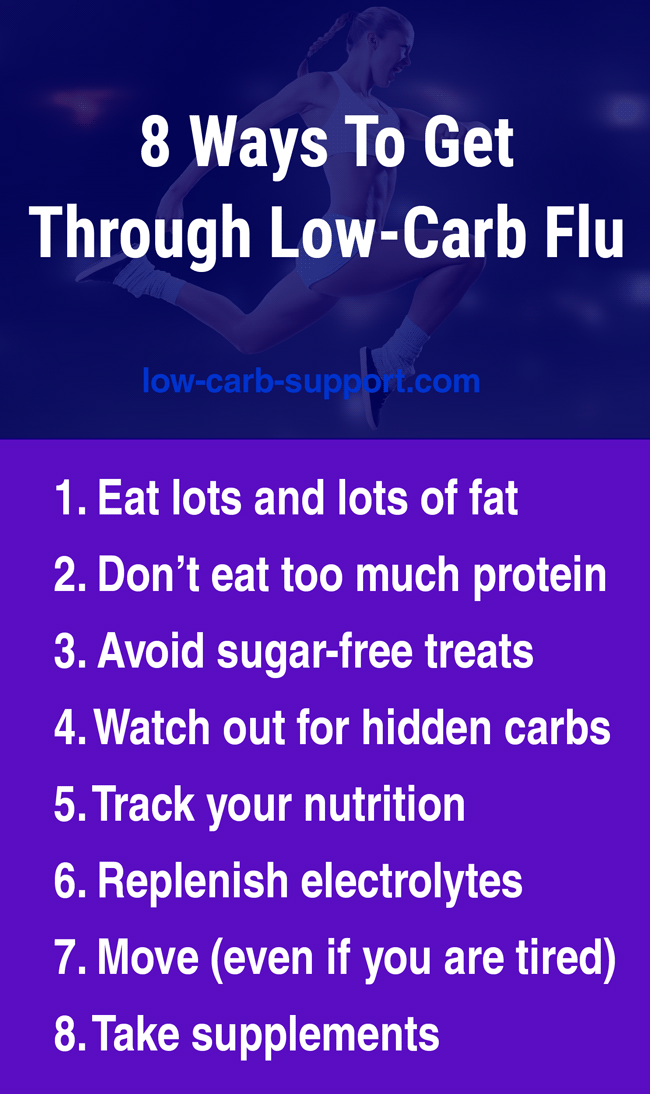
1. Count your carbs religiously
This is the most obvious and also the most important part of any low-carb diet. And yet, some of us still stumble at this very first step!
Your carb counting must be very accurate. Just a few sneaky extra grams a day could prevent ketosis and keep you trapped in the Keto flu period. And those few grams are actually very easy to miss.
Read our carb-counting guide to avoid common traps and beginner mistakes.
2. Eat lots of fat
Fat is the key to this whole issue.
You must eat lots of it – a lot more than what you used to get on a standard diet.
You are basically replacing carbs with fat as your main source of energy. If you don’t get enough fat, you will feel tired and it will take longer to break into ketosis.
Aim to get at least 65% of your total calories from fat. Some people go as high as 80%.
This is actually not easy. It requires a conscious effort. We have all been conditioned to avoid fat for decades.
The medical establishment and the media are now (slowly) admitting they were wrong about dietary fat. But we are still stuck with the ingrained habit of fat-avoidance. Reverse this conditioning and embrace fat.
- Eat fatty meats (for example, rib-eye steak, pork belly, lamb chops, bacon), poultry with skin, fatty fish such as salmon and sardines
- Add butter and cold-pressed oils to your cooked vegetables and salads
- Use full-fat cream (or even butter!) in your tea and coffee
- Snack on cheese, avocados, macadamia and brazil nuts
- Use home-made high-fat sauces and condiments like Bearnaise
Related post: 30 Ways to Eat More Fat
3. Watch out for too much protein
Too much protein can interfere with your transition. Your body has a sneaky way of converting excess protein into carbs. You definitely don’t want that! Because it could slow down your switch to ketosis.
Replace the carbs you are not eating with fat, rather than with protein.
Once you are fully Keto-adapted, you can review your macros. You may need to increase your protein. But while you are transitioning, always err on the side of “More fat!”
Use a Keto macro calculator to figure out exactly how much protein and fat you need in grams per day on your Keto diet.
4. Track your nutrition
Having said all this, it is definitely a good idea to track all of your nutrition by keeping a food diary. So that you know exactly how many grams of carbs, protein and fat you are getting.
Use a food tracking app, a web-based service, or just a plain pen and paper.
Be honest with yourself, track all your food accurately and check your macros throughout the day to make sure you are on track.
If you don’t track your food, it’s very easy to mess up your macros and get stuck in the Keto flu period for ages.
You won’t have to do this laborious tracking forever – only until you are fully familiar with the diet. After a while, counting carbs will become easy and you will likely remember the counts for all your favourite foods on top of your head.
5. Avoid sweeteners and sugar-free treats
Sugar-free is a pretty big market now. You can buy zero-carb sweeteners and sugar-free treats easily. But there are multiple potential problems.
Some of these products are actually not as low in carbs as they claim to be. But even genuine sugar-free low-carb products can delay ketosis.
You are trying to break away from the addiction to sugar and sweets. Your body needs to get used to burning fat instead of carbs.
Consuming sweet-tasting treats will just confuse your system and may cause strong cravings. Some people even experience a placebo-like effect on their blood sugar simply as a result of the sweet taste.
Once you have made the switch and become adapted to low-carb, you could reconsider these products.
6. Move – even if you are tired
When you are in the middle of Keto flu, the last thing you feel like doing is moving. However, it is important to do something.
Your energy levels will be lower than usual, so don’t expect to be able to do your normal amount of exercise. But don’t be tempted into just sitting or lying down all day either. Your body will try to conserve energy. But the only way to encourage it to tap into your fat reserves is to spend energy.
If you can’t do anything else, at least drag yourself out and go for a walk. It doesn’t have to be fast or energetic. Just walk.
7. Replenish electrolytes
Drinking enough water is crucial on Keto. Most people get thirsty when following this diet so drinking more just happens naturally.
Glycogen binds water in your body tissues. So as your glycogen stores deplete, key electrolytes – sodium, magnesium, and potassium – get washed out of your body.
Electrolyte deficiency causes tiredness, muscle cramps and headaches. This is the main reason we feel so rubbish during Keto flu.
The easiest way to replenish electrolytes is to take supplements. Try also drinking mineral water instead of plain water. Simply adding more salt (sodium) to your food also helps.
Another popular way to replenish electrolytes on Keto is by drinking bone broth.
8. Take targeted supplements to speed up ketosis
Certain dietary supplements can also help to speed up your transition to ketosis and reduce the symptoms of Keto flu.
Exogenous ketones instantly elevate your ketone levels. They induce “artificial” state of ketosis, creating an instant energy boost. If you are already on the brink of switching over to ketosis naturally, exogenous ketones can give you that last crucial push in the right direction. The most common format is BHB salts – providing electrolytes and exogenous ketones in a single product. Please note that “Raspberry Ketones” are NOT the same, despite the name – they are a bit of a scam that does precisely nothing for your ketosis.
Co-Enzyme Q10 and L-Carnitine were recommended by Dr Atkins to speed up ketosis and improve fat-burning metabolism
Key minerals – potassium and magnesium to replenish your electrolyte levels and reduce the symptoms of Keto flu
High-quality Keto multivitamins to bridge any potential nutritional gaps and boost energy-yielding metabolism
Do you have any Keto flu tips to share?
Please share your tips in the Comments section!
Leave a Reply